


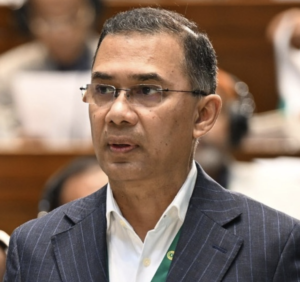
 On February 12, 2026, the first democratic parliamentary elections since the ousting of Sheikh Hasina’s regime took place in Bangladesh. The Bangladesh Nationalist Party (BNP) won an overwhelming majority, securing 209 out of 300 seats. On February 17, Tarique Rahman was sworn in as the new Prime Minister.
The elections were widely regarded as free and fair – the first such since 2008. Turnout was approximately 60%, and nearly 400 international observers monitored the vote, including a 200-member EU mission. Alongside the elections, a referendum was held on the July National Charter – a package of governance reforms – with over 60% of voters endorsing the changes.
Tarique Rahman, son of the late former Prime Minister Khaleda Zia, returned to Bangladesh in December 2025 after 17 years of exile in the United Kingdom. His swearing-in concluded the 18-month rule of Nobel laureate Muhammad Yunus’s interim cabinet. The new Prime Minister declared that his priorities would be public order and anti-corruption, as well as implementing reforms envisaged in the July Charter, including prime ministerial term limits and the creation of a bicameral parliament.
Source: Al Jazeera: https://www.aljazeera.com/news/2026/2/13/bangladesh-election-results-2026-who-won-who-lost-whats-next